10 Common Phone Scams in Pakistan and How to Avoid Them
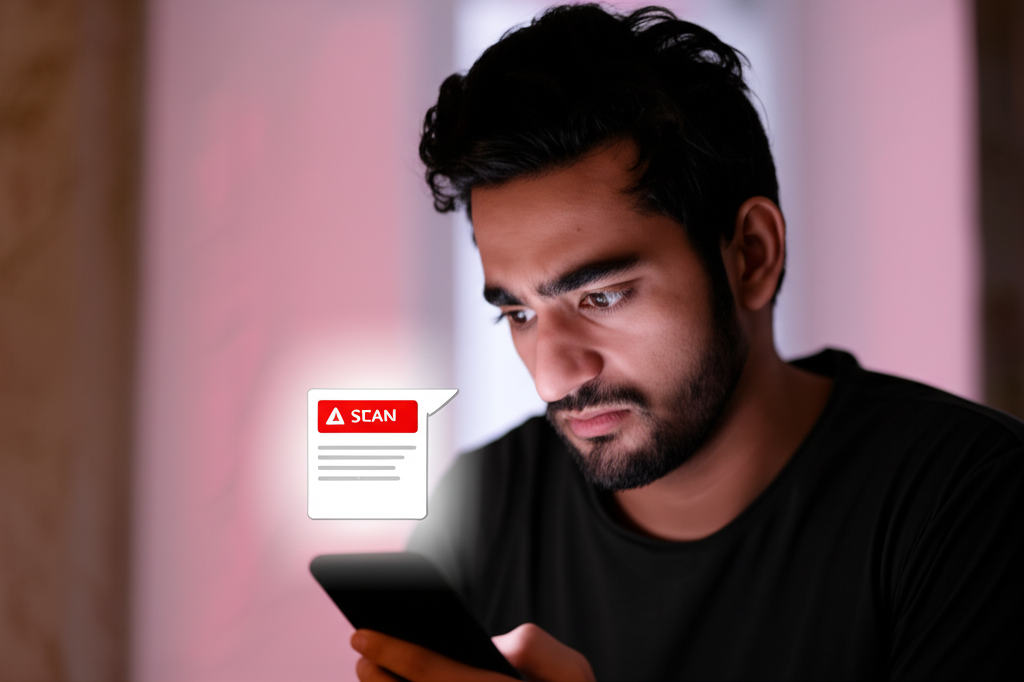
Phone scams are on the rise in Pakistan, with thousands of people falling victim every month. Scammers are becoming increasingly sophisticated, using social engineering tactics to trick people into sending money or sharing personal information. In this article, we'll cover the 10 most common phone scams in Pakistan and provide tips on how to protect yourself.
Important: Always verify unknown phone numbers on Frady before sending money or sharing personal information. Our database contains thousands of verified scam reports from across Pakistan.
1. Banking Fraud Calls
Scammers call pretending to be from your bank, claiming there's an issue with your account that needs immediate attention. They may say your card has been compromised or that suspicious transactions have been detected.
How to Protect Yourself:
- Banks never ask for your complete card details, PIN, or OTP over the phone
- Hang up and call your bank directly using the number on your card or bank's official website
- Never share your online banking password with anyone
2. Prize Notification Scams
You receive a call claiming you've won a car, cash prize, or lottery that you never entered. The caller asks for a "processing fee" or "tax payment" to release your prize.
How to Protect Yourself:
- Remember: If you didn't enter a lottery or contest, you can't win it
- Legitimate prizes never require upfront payment
- Check the caller's number on Frady to see if others have reported it as a scam
3. Government Impersonation
Scammers pose as officials from NADRA, FBR, or other government agencies, claiming there's an issue with your ID card, tax filing, or other official matters that requires immediate payment or personal information.
How to Protect Yourself:
- Government agencies don't call asking for payments over the phone
- Ask for the caller's name, designation, and office location
- Tell them you'll call back through the official helpline
4. Easypaisa/JazzCash Fraud
Scammers call claiming to be from Easypaisa or JazzCash customer service. They may say they're helping you set up or upgrade your account and need your PIN or the OTP sent to your phone.
How to Protect Yourself:
- Never share your mobile wallet PIN or OTP with anyone
- Easypaisa and JazzCash representatives will never ask for your PIN
- If in doubt, hang up and call the official customer service number
5. Fake Job Offers
Scammers call offering lucrative job opportunities, often work-from-home positions with high salaries. They then ask for an "application fee," "training fee," or "security deposit."
How to Protect Yourself:
- Legitimate employers never charge fees to hire you
- Research the company through official channels
- Be suspicious of job offers that seem too good to be true
6. Tech Support Scams
Callers claim to be from Microsoft, Google, or other tech companies, saying your device has a virus or security issue. They ask for remote access to your device or payment for fake services.
How to Protect Yourself:
- Tech companies don't make unsolicited calls about viruses or security issues
- Never give remote access to your computer to someone who calls you
- If concerned about your device security, contact official support channels
7. Fake Charity Scams
Following natural disasters or during religious occasions, scammers call soliciting donations for fake charities or causes, exploiting people's generosity.
How to Protect Yourself:
- Verify the charity through official channels before donating
- Ask for the charity's registration number and verify it
- Donate directly through the charity's official website or office
8. Investment Scams
Callers offer "exclusive" investment opportunities with guaranteed high returns, often in cryptocurrency, forex trading, or real estate. They pressure you to act quickly to "not miss out."
How to Protect Yourself:
- Be skeptical of guaranteed high returns with no risk
- Check if the investment company is registered with SECP
- Don't make investment decisions under pressure
9. Marketplace Fraud
Scammers call after you post items for sale online, claiming to be interested buyers. They send fake payment confirmations and ask for shipping before you realize the payment never arrived.
How to Protect Yourself:
- Always verify that payment has cleared before shipping items
- Be wary of buyers who refuse to meet in person for high-value items
- Don't trust screenshots of payment confirmations
10. Romance Scams
Scammers build romantic relationships over the phone, then create emergencies requiring financial help, such as medical bills, travel expenses, or visa fees.
How to Protect Yourself:
- Be cautious of romantic interests who you've never met in person
- Never send money to someone you haven't met face-to-face
- Discuss the situation with friends or family for perspective
General Safety Tips:
- Always verify unknown numbers on Frady before engaging with callers or sending money
- Take your time - scammers create urgency to prevent you from thinking clearly
- Trust your instincts - if something feels off, it probably is
- Report scam attempts on Frady to protect others in the community
- Educate vulnerable family members, especially the elderly, about these scams
Conclusion
Phone scams continue to evolve, but the basic principles of protection remain the same: verify, question, and never rush into financial decisions. By staying informed about common scam tactics and using resources like Frady to verify unknown numbers, you can protect yourself and your loved ones from falling victim to these scams. Remember, if you've encountered a scam call, report it on Frady to help others stay safe. Together, we can build a safer digital Pakistan.
Protect Yourself and Others
Help build a safer Pakistan by checking unknown numbers and reporting scams you encounter.