Government Impersonation Scams in Pakistan: Protect Yourself
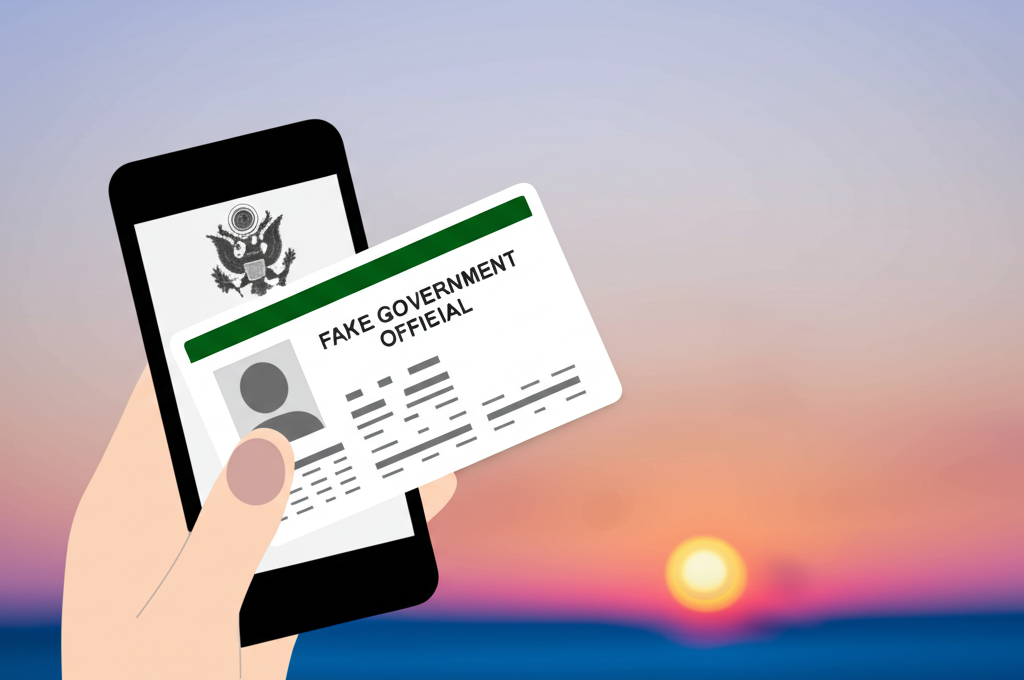
"This is NADRA calling. Your CNIC has been blocked due to suspicious activity." "This is FBR. Your tax records show discrepancies that require immediate payment." Calls like these can be alarming, causing panic and leading people to act without thinking. Government impersonation scams are particularly effective because they exploit our natural respect for authority and fear of legal consequences.
Important: Government agencies in Pakistan like NADRA, FBR, or Police do not call citizens demanding immediate payments or personal information. Official communication typically comes through formal letters or requires you to visit their offices in person.
How Government Impersonation Scams Work
Government impersonation scams follow a common pattern. The scammer calls claiming to be from a government agency like NADRA, FBR, Police, or another official department. They create a sense of urgency and fear by claiming there's a serious issue with your identity documents, tax filings, or legal status that requires immediate attention.
The scammer may use official-sounding language, quote laws or regulations, and even provide fake badge numbers or employee IDs to appear legitimate. They might have some basic information about you, like your name or address, which they use to gain your trust.
The end goal is typically one of the following:
- Extract money through "fees," "fines," or "penalties"
- Collect personal information like CNIC details, bank information, or passwords
- Install malware by directing you to download a "verification" app
Common Types of Government Impersonation Scams in Pakistan
1. NADRA Impersonation
Scammers claim your CNIC has been blocked, compromised, or used for illegal activities. They may say you need to pay a fee to "reactivate" your ID or provide personal information to "verify" your identity.
2. FBR/Tax Authority Scams
Callers claim to be from the Federal Board of Revenue, saying you have unpaid taxes or discrepancies in your tax returns. They threaten legal action unless you make an immediate payment through a specific channel.
3. Police or Law Enforcement Scams
Scammers pose as police officers claiming your phone number or CNIC has been linked to criminal activity. They may threaten arrest unless you pay a "settlement" or provide information to "clear your name."
4. Utility Bill Scams
Fraudsters claim to be from WAPDA, SNGPL, or other utility companies, saying your bills are overdue and your services will be disconnected unless you make an immediate payment.
5. Court Case Scams
Callers claim there's a court case against you or that you've missed jury duty (which doesn't exist in Pakistan's system). They demand payment to "settle" the case or avoid arrest.
Warning Signs of Government Impersonation Scams:
- Demands for immediate payment, especially through unusual methods
- Threats of arrest, deportation, or legal action if you don't comply immediately
- Requests for personal information like CNIC details, bank information, or passwords
- Callers who become aggressive or intimidating when questioned
- Instructions to stay on the phone while making a payment
- Requests to download apps or visit websites to "verify" your identity
Real-Life Examples from Pakistan
In a recent case from Islamabad, a university professor received a call from someone claiming to be from NADRA. The caller said the professor's CNIC had been used to register multiple SIM cards involved in illegal activities. The scammer then transferred the call to another person posing as an FIA officer, who convinced the professor to transfer Rs. 500,000 to "secure" his identity.
Another common scenario involves calls to business owners claiming to be from FBR, saying there are discrepancies in their tax returns that could result in heavy fines or business closure. The scammers offer to "resolve" the issue for a payment much smaller than the threatened fine.
How to Protect Yourself
Follow these steps to avoid government impersonation scams:
- Never provide personal information or make payments based on unexpected calls
- Hang up and call back using the official number from the agency's website or official documents
- Take your time - government matters rarely require immediate action within hours
- Verify the caller's identity by asking for their name, designation, and office location
- Check suspicious numbers on Frady before engaging with callers
- Remember that government agencies typically communicate through official letters, not phone calls
What to Do If You've Been Contacted
If you receive a call from someone claiming to be from a government agency:
- Stay calm and don't make decisions out of fear
- Tell the caller you will call them back through the official number
- Look up the official contact information for the agency (not using numbers provided by the caller)
- Contact the agency directly to verify if they are trying to reach you
- Report the suspicious call to the FIA Cyber Crime Wing and on Frady
Conclusion
Government impersonation scams are particularly dangerous because they exploit our respect for authority and fear of legal consequences. By understanding how these scams work and following the prevention tips outlined above, you can protect yourself from falling victim.
Remember: legitimate government agencies will never demand immediate payment over the phone or ask for sensitive personal information. When in doubt, hang up and contact the agency directly through official channels.
Protect Yourself and Others
Help build a safer Pakistan by checking unknown numbers and reporting scams you encounter.